Buy seekrankheit.eu ?
We are moving the project
seekrankheit.eu .
Are you interested in purchasing the domain
seekrankheit.eu ?
domain@kv-gmbh.de · 0541-91531010
Buy seekrankheit.eu ?
What are the symptoms of disorientation, dizziness, and nausea?
Symptoms of disorientation can include confusion, feeling lost, and difficulty concentrating. Dizziness may manifest as a spinning sensation, lightheadedness, or unsteadiness. Nausea often presents as a feeling of queasiness, an urge to vomit, or actual vomiting. These symptoms can be caused by various factors such as dehydration, low blood sugar, inner ear problems, or infections. **
What does cu mean?
Cu is the chemical symbol for the element copper. It is a transition metal with a reddish-orange color and is known for its high thermal and electrical conductivity. Copper is commonly used in electrical wiring, plumbing, and as a component in various alloys. **


Similar search terms for FUNDIN-5-Cu-Ft
Top-Angebote
Products related to FUNDIN-5-Cu-Ft:
-
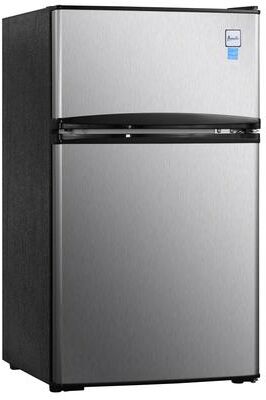
Avanti 3.1 cu. ft. Compact RefrigeratorKeep your snacks and favorite beverages close by in the compact, 3.1 cubic foot refrigerator from Avanti. The perfect mini fridge for the office, dorm, man cave, she-shed, bar, bedroom, or anywhere you need a little extra refrigerator space.316,99 $*Shipping: 0,00 $Secure redirect to the provider



-
Why is the formula for copper nitrate Cu(NO3)2 and not Cu(NO3)3?
The formula for copper nitrate is Cu(NO3)2 because copper has a +2 oxidation state, meaning it can form a compound with two nitrate ions. Each nitrate ion (NO3-) carries a -1 charge, so two nitrate ions are needed to balance the +2 charge of copper. Therefore, the correct formula for copper nitrate is Cu(NO3)2. **
-
Does anyone have any good advice for seasickness, motion sickness, and nausea?
Some tips for managing seasickness, motion sickness, and nausea include focusing on a fixed point in the distance, avoiding heavy meals before traveling, staying hydrated, and getting fresh air. Ginger, either in the form of tea, candy, or supplements, is also known to help alleviate nausea. Additionally, over-the-counter medications like Dramamine or wristbands that apply pressure to acupressure points may provide relief. It's important to consult with a healthcare professional before trying any new remedies, especially if you have underlying health conditions or are taking other medications. **
-
What does 2 cu of chemistry mean?
2 cu of chemistry typically refers to 2 cubic units of a chemical substance or solution. This measurement is used to quantify the volume of a chemical that is being used in a reaction or experiment. It is important to accurately measure and use the correct amount of chemicals in order to achieve the desired results and ensure safety in the laboratory. **
-
What is produced from FeSO4 and Cu?
When FeSO4 (iron(II) sulfate) and Cu (copper) are combined, a displacement reaction occurs. The iron(II) ion in FeSO4 is more reactive than the copper ion, so the iron(II) ion displaces the copper ion in the compound. As a result, copper metal is produced while iron(II) sulfate is left behind in the solution. The balanced chemical equation for this reaction is: FeSO4 + Cu → CuSO4 + Fe. **


How do I know the charge of Cu?
The charge of copper (Cu) can be determined by looking at its position on the periodic table. Copper is a transition metal with multiple oxidation states, commonly +1 or +2. The most common oxidation state of copper is +2, but it can also exist in the +1 oxidation state in certain compounds. To determine the specific charge of copper in a compound, you would need to consider the overall charge of the compound and the known charges of the other elements present. **
What is the redox reaction for Cu + O2?
The redox reaction for Cu + O2 is: 2Cu + O2 -> 2CuO In this reaction, copper (Cu) is oxidized from its elemental state to form copper oxide (CuO), while oxygen (O2) is reduced from its elemental state to form copper oxide (CuO). This is a classic example of a redox reaction, where oxidation and reduction occur simultaneously. **
Top-Angebote
Products related to FUNDIN-5-Cu-Ft:
-
Avanti 3.1 cu. ft. Compact RefrigeratorKeep your snacks and favorite beverages close by in the compact, 3.1 cubic foot refrigerator from Avanti. The perfect mini fridge for the office, dorm, man cave, she-shed, bar, bedroom, or anywhere you need a little extra refrigerator space.308,99 $*Shipping: 0,00 $Secure redirect to the provider
-
What are the symptoms of disorientation, dizziness, and nausea?
Symptoms of disorientation can include confusion, feeling lost, and difficulty concentrating. Dizziness may manifest as a spinning sensation, lightheadedness, or unsteadiness. Nausea often presents as a feeling of queasiness, an urge to vomit, or actual vomiting. These symptoms can be caused by various factors such as dehydration, low blood sugar, inner ear problems, or infections. **
-
What does cu mean?
Cu is the chemical symbol for the element copper. It is a transition metal with a reddish-orange color and is known for its high thermal and electrical conductivity. Copper is commonly used in electrical wiring, plumbing, and as a component in various alloys. **
-
Why is the formula for copper nitrate Cu(NO3)2 and not Cu(NO3)3?
The formula for copper nitrate is Cu(NO3)2 because copper has a +2 oxidation state, meaning it can form a compound with two nitrate ions. Each nitrate ion (NO3-) carries a -1 charge, so two nitrate ions are needed to balance the +2 charge of copper. Therefore, the correct formula for copper nitrate is Cu(NO3)2. **
-
Does anyone have any good advice for seasickness, motion sickness, and nausea?
Some tips for managing seasickness, motion sickness, and nausea include focusing on a fixed point in the distance, avoiding heavy meals before traveling, staying hydrated, and getting fresh air. Ginger, either in the form of tea, candy, or supplements, is also known to help alleviate nausea. Additionally, over-the-counter medications like Dramamine or wristbands that apply pressure to acupressure points may provide relief. It's important to consult with a healthcare professional before trying any new remedies, especially if you have underlying health conditions or are taking other medications. **
Similar search terms for FUNDIN-5-Cu-Ft
-
Avanti 3.1 cu. ft. Compact RefrigeratorKeep your snacks and favorite beverages close by in the compact, 3.1 cubic foot refrigerator from Avanti. The perfect mini fridge for the office, dorm, man cave, she-shed, bar, bedroom, or anywhere you need a little extra refrigerator space.316,99 $*Shipping: 0,00 $Secure redirect to the provider
-
What does 2 cu of chemistry mean?
2 cu of chemistry typically refers to 2 cubic units of a chemical substance or solution. This measurement is used to quantify the volume of a chemical that is being used in a reaction or experiment. It is important to accurately measure and use the correct amount of chemicals in order to achieve the desired results and ensure safety in the laboratory. **
-
What is produced from FeSO4 and Cu?
When FeSO4 (iron(II) sulfate) and Cu (copper) are combined, a displacement reaction occurs. The iron(II) ion in FeSO4 is more reactive than the copper ion, so the iron(II) ion displaces the copper ion in the compound. As a result, copper metal is produced while iron(II) sulfate is left behind in the solution. The balanced chemical equation for this reaction is: FeSO4 + Cu → CuSO4 + Fe. **
-
How do I know the charge of Cu?
The charge of copper (Cu) can be determined by looking at its position on the periodic table. Copper is a transition metal with multiple oxidation states, commonly +1 or +2. The most common oxidation state of copper is +2, but it can also exist in the +1 oxidation state in certain compounds. To determine the specific charge of copper in a compound, you would need to consider the overall charge of the compound and the known charges of the other elements present. **
-
What is the redox reaction for Cu + O2?
The redox reaction for Cu + O2 is: 2Cu + O2 -> 2CuO In this reaction, copper (Cu) is oxidized from its elemental state to form copper oxide (CuO), while oxygen (O2) is reduced from its elemental state to form copper oxide (CuO). This is a classic example of a redox reaction, where oxidation and reduction occur simultaneously. **
* All prices are inclusive of VAT and, if applicable, plus shipping costs. The offer information is based on the details provided by the respective shop and is updated through automated processes. Real-time updates do not occur, so deviations can occur in individual cases. ** Note: Parts of this content were created by AI.