Buy seekrankheit.eu ?
We are moving the project
seekrankheit.eu .
Are you interested in purchasing the domain
seekrankheit.eu ?
domain@kv-gmbh.de · 0541-91531010
Buy seekrankheit.eu ?
What are the symptoms of disorientation, dizziness, and nausea?
Symptoms of disorientation can include confusion, feeling lost, and difficulty concentrating. Dizziness may manifest as a spinning sensation, lightheadedness, or unsteadiness. Nausea often presents as a feeling of queasiness, an urge to vomit, or actual vomiting. These symptoms can be caused by various factors such as dehydration, low blood sugar, inner ear problems, or infections. **
Does anyone have any good advice for seasickness, motion sickness, and nausea?
Some tips for managing seasickness, motion sickness, and nausea include focusing on a fixed point in the distance, avoiding heavy meals before traveling, staying hydrated, and getting fresh air. Ginger, either in the form of tea, candy, or supplements, is also known to help alleviate nausea. Additionally, over-the-counter medications like Dramamine or wristbands that apply pressure to acupressure points may provide relief. It's important to consult with a healthcare professional before trying any new remedies, especially if you have underlying health conditions or are taking other medications. **

Similar search terms for Atlantic
Top-Angebote
Products related to Atlantic:
-
atlanticsaunas Atlantic Sauna Infrared Hanko 3 PersonSauna (Atlantic Glow 1.5)The Atlantic Saunas Infrared Hanko 3 Person Sauna brings calm, steady heat into your home in a way that feels easy and natural. It uses far infrared technology to warm the body directly, so you get the benefits of deep heat without raising the air temperature. With space for three, it’s roomy...3499,00 £*Shipping: 0,00 £Secure redirect to the provider
-
atlanticsaunas Atlantic Saunas Mono Traditional Indoor Sauna (Atlantic Core 0.9)The Atlantic Saunas Mono Traditional Indoor Sauna gives you that classic dry heat feel in a space that’s just right for one. It runs on a 2.3 kW Harvia stove that delivers steady, even warmth throughout the cabin. The compact square footprint makes it easy to fit into a spare room, loft or...2299,00 £*Shipping: 0,00 £Secure redirect to the provider



-
When did the Atlantic Ocean originate?
The Atlantic Ocean is estimated to have originated around 200 million years ago during the breakup of the supercontinent Pangaea. This process of continental drift and seafloor spreading led to the formation of the Atlantic Ocean as we know it today. The ocean continues to evolve and change due to tectonic activity and other geological processes. **
-
When did the Atlantic Ocean form?
The Atlantic Ocean began forming around 200 million years ago during the breakup of the supercontinent Pangaea. This process of continental drift and seafloor spreading continued over millions of years, leading to the formation of the Atlantic Ocean as we know it today. The ocean's formation was a result of tectonic plate movements and volcanic activity along the mid-Atlantic Ridge. **
-
How deep is the Atlantic on average?
The average depth of the Atlantic Ocean is approximately 12,000 feet (3,660 meters). **
-
How can one sail across the Atlantic?
Sailing across the Atlantic can be done by either joining a crew on a sailing yacht or by captaining your own boat. It's important to have the necessary sailing skills and experience, as well as knowledge of navigation, weather patterns, and safety procedures. Planning the route, preparing the boat with necessary supplies and equipment, and obtaining the required permits and documentation are also crucial. It's advisable to have a support team on land to monitor your progress and provide assistance if needed. **


Is the Atlantic Ocean larger than Africa?
No, the Atlantic Ocean is not larger than Africa. Africa is the second largest continent in the world, covering an area of about 11.7 million square miles, while the Atlantic Ocean is the second largest ocean in the world, covering an area of about 41.1 million square miles. Therefore, Africa is significantly larger than the Atlantic Ocean. **
How cold is it in the Atlantic?
The temperature of the Atlantic Ocean varies depending on the location and time of year. In general, the surface water temperature can range from as low as 0°C (32°F) in the northern regions to as high as 30°C (86°F) in the tropics. The deeper water in the Atlantic tends to be colder, with temperatures dropping significantly in the deeper layers. Overall, the Atlantic Ocean can be quite cold in the northern regions and warmer in the southern and tropical regions. **
Top-Angebote
Products related to Atlantic:
-
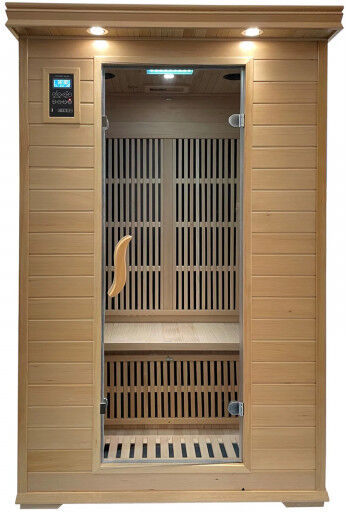
atlanticsaunas Atlantic Saunas Infrared Snug Sauna (Atlantic Glow 1.2)The Atlantic Saunas Infrared Snug 2 Person Sauna brings that cosy sauna vibe home. It keeps the best bits of the original Snug but replaces the traditional stove with far infrared heat, so you get more space inside and a gentler, steady warmth that’s easy to sink into. It’s made for two and fits...2799,00 £*Shipping: 0,00 £Secure redirect to the provider
-
atlanticsaunas Atlantic Saunas Mono Infrared Sauna (Atlantic Glow 0.9)The Atlantic Saunas Mono Infrared Sauna gives you a calm little space to pause and reset. It’s designed for one person and uses carbon nano infrared heaters that create a steady, even warmth without pushing up the air temperature too much. The digital control panel is placed on the outside, so...2099,00 £*Shipping: 0,00 £Secure redirect to the provider
-
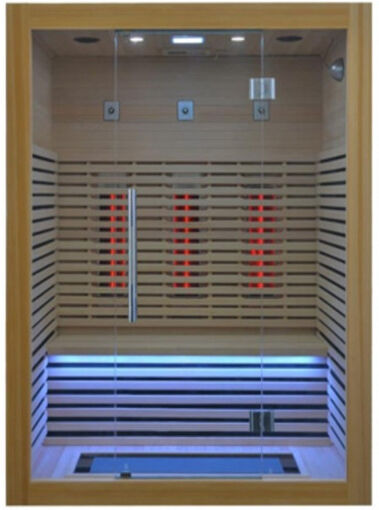
atlanticsaunas Atlantic Sauna Infrared Hanko 3 PersonSauna (Atlantic Glow 1.5)The Atlantic Saunas Infrared Hanko 3 Person Sauna brings calm, steady heat into your home in a way that feels easy and natural. It uses far infrared technology to warm the body directly, so you get the benefits of deep heat without raising the air temperature. With space for three, it’s roomy...3499,00 £*Shipping: 0,00 £Secure redirect to the provider
-
atlanticsaunas Atlantic Saunas Mono Traditional Indoor Sauna (Atlantic Core 0.9)The Atlantic Saunas Mono Traditional Indoor Sauna gives you that classic dry heat feel in a space that’s just right for one. It runs on a 2.3 kW Harvia stove that delivers steady, even warmth throughout the cabin. The compact square footprint makes it easy to fit into a spare room, loft or...2299,00 £*Shipping: 0,00 £Secure redirect to the provider
-
What are the symptoms of disorientation, dizziness, and nausea?
Symptoms of disorientation can include confusion, feeling lost, and difficulty concentrating. Dizziness may manifest as a spinning sensation, lightheadedness, or unsteadiness. Nausea often presents as a feeling of queasiness, an urge to vomit, or actual vomiting. These symptoms can be caused by various factors such as dehydration, low blood sugar, inner ear problems, or infections. **
-
Does anyone have any good advice for seasickness, motion sickness, and nausea?
Some tips for managing seasickness, motion sickness, and nausea include focusing on a fixed point in the distance, avoiding heavy meals before traveling, staying hydrated, and getting fresh air. Ginger, either in the form of tea, candy, or supplements, is also known to help alleviate nausea. Additionally, over-the-counter medications like Dramamine or wristbands that apply pressure to acupressure points may provide relief. It's important to consult with a healthcare professional before trying any new remedies, especially if you have underlying health conditions or are taking other medications. **
-
When did the Atlantic Ocean originate?
The Atlantic Ocean is estimated to have originated around 200 million years ago during the breakup of the supercontinent Pangaea. This process of continental drift and seafloor spreading led to the formation of the Atlantic Ocean as we know it today. The ocean continues to evolve and change due to tectonic activity and other geological processes. **
-
When did the Atlantic Ocean form?
The Atlantic Ocean began forming around 200 million years ago during the breakup of the supercontinent Pangaea. This process of continental drift and seafloor spreading continued over millions of years, leading to the formation of the Atlantic Ocean as we know it today. The ocean's formation was a result of tectonic plate movements and volcanic activity along the mid-Atlantic Ridge. **
Similar search terms for Atlantic
-
How deep is the Atlantic on average?
The average depth of the Atlantic Ocean is approximately 12,000 feet (3,660 meters). **
-
How can one sail across the Atlantic?
Sailing across the Atlantic can be done by either joining a crew on a sailing yacht or by captaining your own boat. It's important to have the necessary sailing skills and experience, as well as knowledge of navigation, weather patterns, and safety procedures. Planning the route, preparing the boat with necessary supplies and equipment, and obtaining the required permits and documentation are also crucial. It's advisable to have a support team on land to monitor your progress and provide assistance if needed. **
-
Is the Atlantic Ocean larger than Africa?
No, the Atlantic Ocean is not larger than Africa. Africa is the second largest continent in the world, covering an area of about 11.7 million square miles, while the Atlantic Ocean is the second largest ocean in the world, covering an area of about 41.1 million square miles. Therefore, Africa is significantly larger than the Atlantic Ocean. **
-
How cold is it in the Atlantic?
The temperature of the Atlantic Ocean varies depending on the location and time of year. In general, the surface water temperature can range from as low as 0°C (32°F) in the northern regions to as high as 30°C (86°F) in the tropics. The deeper water in the Atlantic tends to be colder, with temperatures dropping significantly in the deeper layers. Overall, the Atlantic Ocean can be quite cold in the northern regions and warmer in the southern and tropical regions. **
* All prices are inclusive of VAT and, if applicable, plus shipping costs. The offer information is based on the details provided by the respective shop and is updated through automated processes. Real-time updates do not occur, so deviations can occur in individual cases. ** Note: Parts of this content were created by AI.