Buy seekrankheit.eu ?
We are moving the project
seekrankheit.eu .
Are you interested in purchasing the domain
seekrankheit.eu ?
domain@kv-gmbh.de · 0541-91531010
Buy seekrankheit.eu ?
What are the symptoms of disorientation, dizziness, and nausea?
Symptoms of disorientation can include confusion, feeling lost, and difficulty concentrating. Dizziness may manifest as a spinning sensation, lightheadedness, or unsteadiness. Nausea often presents as a feeling of queasiness, an urge to vomit, or actual vomiting. These symptoms can be caused by various factors such as dehydration, low blood sugar, inner ear problems, or infections. **
What are the differences between covalent bonds, metallic bonds, and ionic bonds?
Covalent bonds are formed when two atoms share electrons, resulting in a strong bond between the atoms. Metallic bonds occur between metal atoms, where the electrons are delocalized and free to move throughout the structure, creating a strong bond. Ionic bonds are formed between a metal and a nonmetal, where one atom transfers electrons to the other, resulting in the formation of positively and negatively charged ions that are attracted to each other. Overall, covalent bonds involve electron sharing, metallic bonds involve electron delocalization, and ionic bonds involve electron transfer. **


Similar search terms for Bonds
Top-Angebote
Products related to Bonds:
-
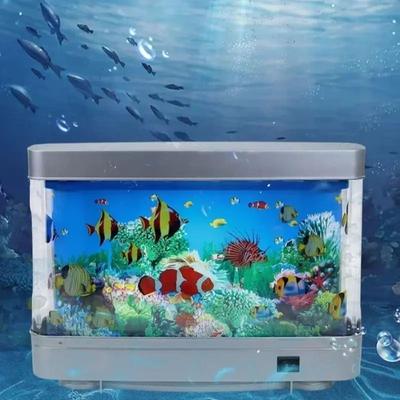
Uplift Essentials Serene Motion Virtual Aquarium Lamp Serene Motion Virtual Aquarium Lamp"Bring the soothing magic of the underwater world to your tabletop with the Serene Motion Virtual Aquarium Lamp. This highdefinition desktop aquarium decorative light uses advanced ""movingpicture"" technology to create a mesmerizing, continuous swim..."82,97 $*Shipping: 0,00 $Secure redirect to the provider
-
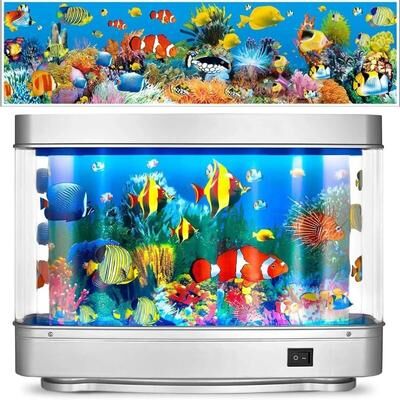
Uplift Essentials Virtual Motion Ocean Aquarium Lamp Virtual Motion Ocean Aquarium Lamp"Experience the tranquil beauty of the deep blue without the maintenance of a real tank with the Virtual Motion Ocean Aquarium Lamp. This creative decorative piece uses highdefinition ""moving picture"" technology to simulate a vibrant tropical reef,..."79,97 $*Shipping: 0,00 $Secure redirect to the provider
-
HomeDecorAndMore LLC Motion Sensor Cabinet Light Rechargeable Motion Sensor Cabinet Light RechargeableDo you find it hard to hold the torch to take something from your cupboard If that's the case, this Motion Sensor Cabinet Light Rechargeable will prove handy. This light features a motion sensor and automatically turns on from three meters from the...28,97 $*Shipping: 0,00 $Secure redirect to the provider
-
Uplifted Finds Interactive Motion Sense Shaky Sparrow Interactive Motion Sense Shaky SparrowTrigger your cat's natural hunting instincts with the Interactive MotionSense Shaky Sparrow. This highengagement toy utilizes a smartvibration trigger logicthe sparrow remains in a dormant state until touched, at which point it begins a series of...85,97 $*Shipping: 0,00 $Secure redirect to the provider


-
Do CO bonds form with other CO bonds?
No, CO bonds do not typically form with other CO bonds. Carbon monoxide (CO) is a stable molecule with a triple bond between the carbon and oxygen atoms. This triple bond is strong and does not readily form additional bonds with other CO molecules. Instead, CO molecules tend to interact with other types of molecules through various types of chemical reactions. **
-
Does anyone have any good advice for seasickness, motion sickness, and nausea?
Some tips for managing seasickness, motion sickness, and nausea include focusing on a fixed point in the distance, avoiding heavy meals before traveling, staying hydrated, and getting fresh air. Ginger, either in the form of tea, candy, or supplements, is also known to help alleviate nausea. Additionally, over-the-counter medications like Dramamine or wristbands that apply pressure to acupressure points may provide relief. It's important to consult with a healthcare professional before trying any new remedies, especially if you have underlying health conditions or are taking other medications. **
-
Why are intermolecular bonds weaker than electron pair bonds?
Intermolecular bonds are weaker than electron pair bonds because they involve interactions between molecules rather than within a single molecule. In intermolecular bonds, the attractive forces between molecules are generally weaker than the covalent bonds that hold atoms together within a molecule. Additionally, intermolecular bonds are typically temporary and can be easily broken, whereas electron pair bonds are strong and stable. Overall, the weaker nature of intermolecular bonds allows molecules to move and interact with each other more freely. **
-
Why are intermolecular bonds generally weaker than covalent bonds?
Intermolecular bonds are generally weaker than covalent bonds because they involve interactions between molecules rather than within a single molecule. Covalent bonds involve the sharing of electrons between atoms, creating strong bonds within a molecule. In contrast, intermolecular bonds, such as hydrogen bonds or van der Waals forces, are weaker because they are based on temporary interactions between molecules, which can be easily broken. Additionally, intermolecular bonds are influenced by factors such as distance and orientation, further contributing to their weaker nature compared to covalent bonds. **

Why are intermolecular bonds typically weaker than covalent bonds?
Intermolecular bonds are typically weaker than covalent bonds because they involve interactions between molecules rather than within a single molecule. In intermolecular bonds, the attractive forces between molecules, such as van der Waals forces or hydrogen bonding, are weaker than the strong sharing of electrons in covalent bonds. Additionally, intermolecular bonds are more easily broken or disrupted by changes in temperature or pressure, leading to lower bond energies compared to covalent bonds. **
Why are polar bonds lower in energy than nonpolar bonds?
Polar bonds are lower in energy than nonpolar bonds because they involve the unequal sharing of electrons between two atoms with different electronegativities. This unequal sharing creates a dipole moment, which results in an attractive force between the partially positive and partially negative ends of the molecule. This electrostatic attraction lowers the overall energy of the molecule compared to nonpolar bonds, where electrons are shared equally. As a result, polar bonds are typically stronger and more stable than nonpolar bonds. **
Top-Angebote
Products related to Bonds:
-
Inspired Finds Eternal Bonds Personalized Acrylic Photo Frame & Custom Couple Plaque Gift warm LightCapture Your Timeless Connection. Turn your most meaningful moments into a lasting keepsake with this elegant personalized acrylic photo frame. Designed specifically for couples who value memories that matter, this sleek, transparent display piece...110,99 $*Shipping: 0,00 $Secure redirect to the provider
-
Uplift Essentials Serene Motion Virtual Aquarium Lamp Serene Motion Virtual Aquarium Lamp"Bring the soothing magic of the underwater world to your tabletop with the Serene Motion Virtual Aquarium Lamp. This highdefinition desktop aquarium decorative light uses advanced ""movingpicture"" technology to create a mesmerizing, continuous swim..."82,97 $*Shipping: 0,00 $Secure redirect to the provider
-
Uplift Essentials Virtual Motion Ocean Aquarium Lamp Virtual Motion Ocean Aquarium Lamp"Experience the tranquil beauty of the deep blue without the maintenance of a real tank with the Virtual Motion Ocean Aquarium Lamp. This creative decorative piece uses highdefinition ""moving picture"" technology to simulate a vibrant tropical reef,..."79,97 $*Shipping: 0,00 $Secure redirect to the provider
-
What are the symptoms of disorientation, dizziness, and nausea?
Symptoms of disorientation can include confusion, feeling lost, and difficulty concentrating. Dizziness may manifest as a spinning sensation, lightheadedness, or unsteadiness. Nausea often presents as a feeling of queasiness, an urge to vomit, or actual vomiting. These symptoms can be caused by various factors such as dehydration, low blood sugar, inner ear problems, or infections. **
-
What are the differences between covalent bonds, metallic bonds, and ionic bonds?
Covalent bonds are formed when two atoms share electrons, resulting in a strong bond between the atoms. Metallic bonds occur between metal atoms, where the electrons are delocalized and free to move throughout the structure, creating a strong bond. Ionic bonds are formed between a metal and a nonmetal, where one atom transfers electrons to the other, resulting in the formation of positively and negatively charged ions that are attracted to each other. Overall, covalent bonds involve electron sharing, metallic bonds involve electron delocalization, and ionic bonds involve electron transfer. **
-
Do CO bonds form with other CO bonds?
No, CO bonds do not typically form with other CO bonds. Carbon monoxide (CO) is a stable molecule with a triple bond between the carbon and oxygen atoms. This triple bond is strong and does not readily form additional bonds with other CO molecules. Instead, CO molecules tend to interact with other types of molecules through various types of chemical reactions. **
-
Does anyone have any good advice for seasickness, motion sickness, and nausea?
Some tips for managing seasickness, motion sickness, and nausea include focusing on a fixed point in the distance, avoiding heavy meals before traveling, staying hydrated, and getting fresh air. Ginger, either in the form of tea, candy, or supplements, is also known to help alleviate nausea. Additionally, over-the-counter medications like Dramamine or wristbands that apply pressure to acupressure points may provide relief. It's important to consult with a healthcare professional before trying any new remedies, especially if you have underlying health conditions or are taking other medications. **
Similar search terms for Bonds
-
HomeDecorAndMore LLC Motion Sensor Cabinet Light Rechargeable Motion Sensor Cabinet Light RechargeableDo you find it hard to hold the torch to take something from your cupboard If that's the case, this Motion Sensor Cabinet Light Rechargeable will prove handy. This light features a motion sensor and automatically turns on from three meters from the...28,97 $*Shipping: 0,00 $Secure redirect to the provider
-
Uplifted Finds Interactive Motion Sense Shaky Sparrow Interactive Motion Sense Shaky SparrowTrigger your cat's natural hunting instincts with the Interactive MotionSense Shaky Sparrow. This highengagement toy utilizes a smartvibration trigger logicthe sparrow remains in a dormant state until touched, at which point it begins a series of...85,97 $*Shipping: 0,00 $Secure redirect to the provider
-
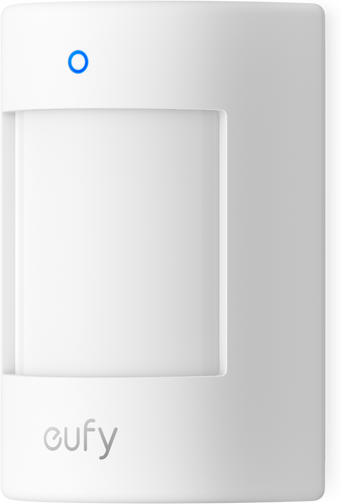
eufy Motion Sensor E20Pet-Friendly Detection to Reduce False Alarms: Differentiates between humans and pets, reducing false alarms for pets up to 80 lb. Long-Lasting 5-Year Battery Life: Includes a 1,400 mAh CR123A battery for long life and low maintenance. Easy and Versatile Installation: Mounts effortlessly on walls or corners with simple height setup—no extra adjustment required. Expansive Wireless Range with HomeBase: Provides a stable connection with HomeBase at open-air distances of up to 656 ft (200 m). Requires HomeBase to Operate : Compatible with HomeBase Mini (v4.0.5.2 or above), HomeBase 2 (v3.4.1.2 or above, released after 2021), HomeBase 3 (v3.7.2.6 or above), and HomeBase Pro (v4.1.4.3 or above). Ensure your HomeBase is updated to the latest version for optimal performance.27,49 £*Shipping: 0,00 £Secure redirect to the provider
-
BOB Motion Stroller - NavyOne-Hand, Quick-Fold; Lightweight & compact aluminum frame; Four pneumatic tires mounted on high impact polymer composite wheels with tubes provide a smooth, comfortable ride; With the included CLICK & GO adapters, the Motion instantly becomes a...280,00 $*Shipping: 0,00 $Secure redirect to the provider
-
Why are intermolecular bonds weaker than electron pair bonds?
Intermolecular bonds are weaker than electron pair bonds because they involve interactions between molecules rather than within a single molecule. In intermolecular bonds, the attractive forces between molecules are generally weaker than the covalent bonds that hold atoms together within a molecule. Additionally, intermolecular bonds are typically temporary and can be easily broken, whereas electron pair bonds are strong and stable. Overall, the weaker nature of intermolecular bonds allows molecules to move and interact with each other more freely. **
-
Why are intermolecular bonds generally weaker than covalent bonds?
Intermolecular bonds are generally weaker than covalent bonds because they involve interactions between molecules rather than within a single molecule. Covalent bonds involve the sharing of electrons between atoms, creating strong bonds within a molecule. In contrast, intermolecular bonds, such as hydrogen bonds or van der Waals forces, are weaker because they are based on temporary interactions between molecules, which can be easily broken. Additionally, intermolecular bonds are influenced by factors such as distance and orientation, further contributing to their weaker nature compared to covalent bonds. **
-
Why are intermolecular bonds typically weaker than covalent bonds?
Intermolecular bonds are typically weaker than covalent bonds because they involve interactions between molecules rather than within a single molecule. In intermolecular bonds, the attractive forces between molecules, such as van der Waals forces or hydrogen bonding, are weaker than the strong sharing of electrons in covalent bonds. Additionally, intermolecular bonds are more easily broken or disrupted by changes in temperature or pressure, leading to lower bond energies compared to covalent bonds. **
-
Why are polar bonds lower in energy than nonpolar bonds?
Polar bonds are lower in energy than nonpolar bonds because they involve the unequal sharing of electrons between two atoms with different electronegativities. This unequal sharing creates a dipole moment, which results in an attractive force between the partially positive and partially negative ends of the molecule. This electrostatic attraction lowers the overall energy of the molecule compared to nonpolar bonds, where electrons are shared equally. As a result, polar bonds are typically stronger and more stable than nonpolar bonds. **
* All prices are inclusive of VAT and, if applicable, plus shipping costs. The offer information is based on the details provided by the respective shop and is updated through automated processes. Real-time updates do not occur, so deviations can occur in individual cases. ** Note: Parts of this content were created by AI.