Buy seekrankheit.eu ?
We are moving the project
seekrankheit.eu .
Are you interested in purchasing the domain
seekrankheit.eu ?
domain@kv-gmbh.de · 0541-91531010
Buy seekrankheit.eu ?
What are the symptoms of disorientation, dizziness, and nausea?
Symptoms of disorientation can include confusion, feeling lost, and difficulty concentrating. Dizziness may manifest as a spinning sensation, lightheadedness, or unsteadiness. Nausea often presents as a feeling of queasiness, an urge to vomit, or actual vomiting. These symptoms can be caused by various factors such as dehydration, low blood sugar, inner ear problems, or infections. **
Does anyone have any good advice for seasickness, motion sickness, and nausea?
Some tips for managing seasickness, motion sickness, and nausea include focusing on a fixed point in the distance, avoiding heavy meals before traveling, staying hydrated, and getting fresh air. Ginger, either in the form of tea, candy, or supplements, is also known to help alleviate nausea. Additionally, over-the-counter medications like Dramamine or wristbands that apply pressure to acupressure points may provide relief. It's important to consult with a healthcare professional before trying any new remedies, especially if you have underlying health conditions or are taking other medications. **

Similar search terms for Meat
Top-Angebote
Products related to Meat:



-
What causes nausea after eating meat?
Nausea after eating meat can be caused by a variety of factors, including food poisoning from contaminated meat, an intolerance or allergy to certain proteins in the meat, or difficulty digesting the high fat content in some meats. Additionally, eating meat that is undercooked or spoiled can also lead to nausea. It is important to pay attention to how your body reacts to different types of meat and consult a healthcare provider if you experience frequent nausea after eating meat. **
-
'Meat or no meat?'
The decision to eat meat or not is a personal choice that depends on individual beliefs, values, and dietary preferences. Some people choose to eat meat for its nutritional benefits, while others opt for a vegetarian or vegan diet for ethical, environmental, or health reasons. It's important to consider the impact of meat consumption on animal welfare, the environment, and personal health when making this decision. Ultimately, the choice of whether to eat meat or not is a personal one that should be made based on careful consideration of these factors. **
-
What causes disgust and nausea in meat and animal products?
Disgust and nausea in meat and animal products can be caused by a variety of factors. One common cause is the presence of bacteria or other pathogens that can lead to foodborne illness. Additionally, the sight or smell of spoiled or rancid meat can trigger feelings of disgust and nausea. Some people may also experience these reactions due to ethical or moral concerns about consuming animal products. Overall, the perception of disgust and nausea in meat and animal products can be influenced by a combination of sensory, health, and ethical factors. **
-
Wild meat or regular meat?
It's important to consider the ethical and environmental implications of consuming wild meat versus regular meat. Wild meat, such as game animals, can be a more sustainable and natural option as it is often hunted in a way that supports local ecosystems and wildlife populations. However, regular meat from domesticated animals can be more readily available and may be produced in a more controlled and regulated manner. Ultimately, the choice between wild meat and regular meat depends on individual preferences, ethical considerations, and access to sustainable sources. **


What is sudden dizziness and nausea?
Sudden dizziness and nausea are symptoms that can occur unexpectedly and may be caused by various factors such as dehydration, low blood sugar, inner ear issues, or even anxiety. These symptoms can make a person feel lightheaded, unsteady, and nauseous, which can be very uncomfortable and disruptive to daily activities. It is important to pay attention to these symptoms, as they could be a sign of a more serious underlying condition that may require medical attention. **
Does meat substitute really replace meat?
Meat substitutes can provide a similar texture and taste to meat, making them a viable option for those looking to reduce their meat consumption. However, they may not fully replace the nutritional benefits of meat, as they may lack certain essential nutrients such as complete proteins, iron, and vitamin B12. Additionally, the environmental and ethical implications of meat production are not fully addressed by meat substitutes. While they can be a helpful alternative for some, it's important to consider the overall impact and nutritional value when choosing between meat and meat substitutes. **
Top-Angebote
Products related to Meat:
-
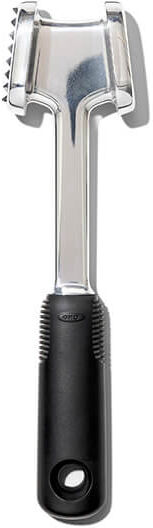
OXO Good Grips Meat TenderiserUpgrade your kitchen toolkit with the OXO Good Grips Meat Tenderiser, a durable die‑cast mallet built to deliver efficient, consistent results. Designed with two functional sides, it gives you the control to prep a wide range of proteins with ease. The textured, pyramid‑tooth surface helps loosen tough muscle fibres, allowing marinades to penetrate more effectively and improving tenderness. Flip to the smooth face to create even thickness in chicken, pork, or beef, supporting quicker, more uniform cooking. Thoughtfully balanced, the weighted head provides powerful impact without requiring extra effort, while the signature OXO soft, non‑slip handle keeps your grip secure—even with wet hands. Crafted from robust die‑cast aluminium, this tool is made to withstand regular use and remain a reliable part of your food‑prep routine.15,30 £*Shipping: 3,50 £Secure redirect to the provider
-
What are the symptoms of disorientation, dizziness, and nausea?
Symptoms of disorientation can include confusion, feeling lost, and difficulty concentrating. Dizziness may manifest as a spinning sensation, lightheadedness, or unsteadiness. Nausea often presents as a feeling of queasiness, an urge to vomit, or actual vomiting. These symptoms can be caused by various factors such as dehydration, low blood sugar, inner ear problems, or infections. **
-
Does anyone have any good advice for seasickness, motion sickness, and nausea?
Some tips for managing seasickness, motion sickness, and nausea include focusing on a fixed point in the distance, avoiding heavy meals before traveling, staying hydrated, and getting fresh air. Ginger, either in the form of tea, candy, or supplements, is also known to help alleviate nausea. Additionally, over-the-counter medications like Dramamine or wristbands that apply pressure to acupressure points may provide relief. It's important to consult with a healthcare professional before trying any new remedies, especially if you have underlying health conditions or are taking other medications. **
-
What causes nausea after eating meat?
Nausea after eating meat can be caused by a variety of factors, including food poisoning from contaminated meat, an intolerance or allergy to certain proteins in the meat, or difficulty digesting the high fat content in some meats. Additionally, eating meat that is undercooked or spoiled can also lead to nausea. It is important to pay attention to how your body reacts to different types of meat and consult a healthcare provider if you experience frequent nausea after eating meat. **
-
'Meat or no meat?'
The decision to eat meat or not is a personal choice that depends on individual beliefs, values, and dietary preferences. Some people choose to eat meat for its nutritional benefits, while others opt for a vegetarian or vegan diet for ethical, environmental, or health reasons. It's important to consider the impact of meat consumption on animal welfare, the environment, and personal health when making this decision. Ultimately, the choice of whether to eat meat or not is a personal one that should be made based on careful consideration of these factors. **
Similar search terms for Meat
-
Household Essentials Reversible Dual Use Meat TenderizerAdd the Reversible Meat Tenderizer to any kitchen for a professional upgrade in both style and function. Designed with a sleek ergonomic handle, this tenderizer offers superior leverage and comfort.28,34 $*Shipping: 0,00 $Secure redirect to the provider
-
What causes disgust and nausea in meat and animal products?
Disgust and nausea in meat and animal products can be caused by a variety of factors. One common cause is the presence of bacteria or other pathogens that can lead to foodborne illness. Additionally, the sight or smell of spoiled or rancid meat can trigger feelings of disgust and nausea. Some people may also experience these reactions due to ethical or moral concerns about consuming animal products. Overall, the perception of disgust and nausea in meat and animal products can be influenced by a combination of sensory, health, and ethical factors. **
-
Wild meat or regular meat?
It's important to consider the ethical and environmental implications of consuming wild meat versus regular meat. Wild meat, such as game animals, can be a more sustainable and natural option as it is often hunted in a way that supports local ecosystems and wildlife populations. However, regular meat from domesticated animals can be more readily available and may be produced in a more controlled and regulated manner. Ultimately, the choice between wild meat and regular meat depends on individual preferences, ethical considerations, and access to sustainable sources. **
-
What is sudden dizziness and nausea?
Sudden dizziness and nausea are symptoms that can occur unexpectedly and may be caused by various factors such as dehydration, low blood sugar, inner ear issues, or even anxiety. These symptoms can make a person feel lightheaded, unsteady, and nauseous, which can be very uncomfortable and disruptive to daily activities. It is important to pay attention to these symptoms, as they could be a sign of a more serious underlying condition that may require medical attention. **
-
Does meat substitute really replace meat?
Meat substitutes can provide a similar texture and taste to meat, making them a viable option for those looking to reduce their meat consumption. However, they may not fully replace the nutritional benefits of meat, as they may lack certain essential nutrients such as complete proteins, iron, and vitamin B12. Additionally, the environmental and ethical implications of meat production are not fully addressed by meat substitutes. While they can be a helpful alternative for some, it's important to consider the overall impact and nutritional value when choosing between meat and meat substitutes. **
* All prices are inclusive of VAT and, if applicable, plus shipping costs. The offer information is based on the details provided by the respective shop and is updated through automated processes. Real-time updates do not occur, so deviations can occur in individual cases. ** Note: Parts of this content were created by AI.