Buy seekrankheit.eu ?
We are moving the project
seekrankheit.eu .
Are you interested in purchasing the domain
seekrankheit.eu ?
domain@kv-gmbh.de · 0541-91531010
Buy seekrankheit.eu ?
What are the symptoms of disorientation, dizziness, and nausea?
Symptoms of disorientation can include confusion, feeling lost, and difficulty concentrating. Dizziness may manifest as a spinning sensation, lightheadedness, or unsteadiness. Nausea often presents as a feeling of queasiness, an urge to vomit, or actual vomiting. These symptoms can be caused by various factors such as dehydration, low blood sugar, inner ear problems, or infections. **
What does the modulus of elasticity indicate?
The modulus of elasticity indicates the stiffness or rigidity of a material. It measures the material's ability to deform under stress and return to its original shape once the stress is removed. A higher modulus of elasticity means the material is more rigid and less deformable, while a lower modulus indicates greater flexibility and deformability. This property is important in engineering and materials science as it helps determine how a material will behave under different types of loading conditions. **


Similar search terms for Modulus
Top-Angebote
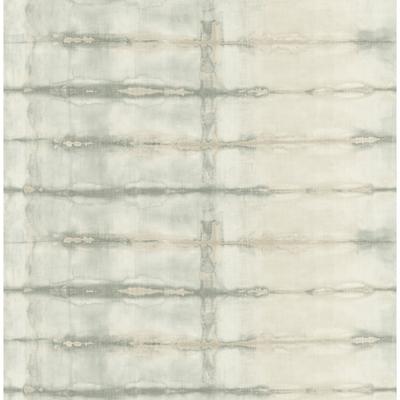
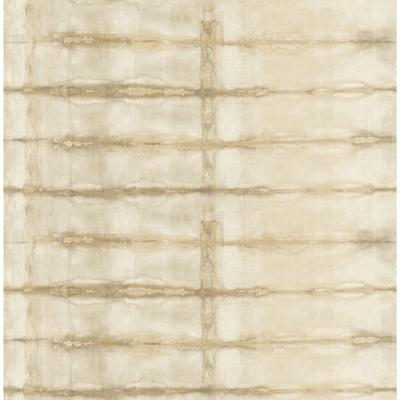
Products related to Modulus:


-
Does anyone have any good advice for seasickness, motion sickness, and nausea?
Some tips for managing seasickness, motion sickness, and nausea include focusing on a fixed point in the distance, avoiding heavy meals before traveling, staying hydrated, and getting fresh air. Ginger, either in the form of tea, candy, or supplements, is also known to help alleviate nausea. Additionally, over-the-counter medications like Dramamine or wristbands that apply pressure to acupressure points may provide relief. It's important to consult with a healthcare professional before trying any new remedies, especially if you have underlying health conditions or are taking other medications. **
-
What does the modulus of elasticity (E-Modul) indicate?
The modulus of elasticity, also known as the E-Modul, indicates the stiffness or rigidity of a material. It quantifies how much a material will deform under a given amount of stress. A higher modulus of elasticity means that a material is more rigid and will deform less under stress, while a lower modulus of elasticity indicates that a material is more flexible and will deform more under stress. The modulus of elasticity is an important property to consider when designing structures or selecting materials for specific applications. **
-
What is the difference between tensile strength and modulus of elasticity?
Tensile strength is the maximum amount of tensile stress that a material can withstand before breaking, while modulus of elasticity, also known as Young's modulus, is a measure of a material's stiffness or resistance to deformation when subjected to an external force. In simpler terms, tensile strength measures how much force a material can handle before breaking, while modulus of elasticity measures how much a material will deform under a given amount of force. In essence, tensile strength is a measure of a material's ability to withstand stretching or pulling forces, while modulus of elasticity is a measure of how much a material will stretch or deform under a given load. **
-
How do I determine the bending modulus required for my material?
To determine the bending modulus required for your material, you will need to consider the specific properties of the material, such as its elasticity and stiffness. The bending modulus, also known as the flexural modulus, is a measure of a material's resistance to bending. It can be calculated using the material's stress and strain data from a bending test, such as a three-point or four-point bend test. By analyzing the stress and strain relationship, you can determine the bending modulus required for your material to ensure it meets the necessary strength and flexibility requirements for its intended application. **

How is the modulus of elasticity related to the spring constant?
The modulus of elasticity is a material property that describes how much a material can deform under stress before it permanently deforms. The spring constant, on the other hand, is a property of a spring that describes how stiff it is. These two properties are related in that the modulus of elasticity of the material from which the spring is made will influence the spring constant. A material with a higher modulus of elasticity will result in a spring with a higher spring constant, meaning it will be stiffer and require more force to deform. **
Can you give me a physics problem involving the modulus of elasticity?
Sure! Here's a physics problem involving the modulus of elasticity: A steel wire with a length of 2 meters and a cross-sectional area of 0.01 square meters is stretched with a force of 5000 Newtons. If the modulus of elasticity for steel is 200 GPa, what is the resulting strain in the wire? To solve this problem, you can use the formula for strain: strain = (force * length) / (modulus of elasticity * cross-sectional area). Plugging in the given values, you can calculate the strain in the steel wire. **
Top-Angebote
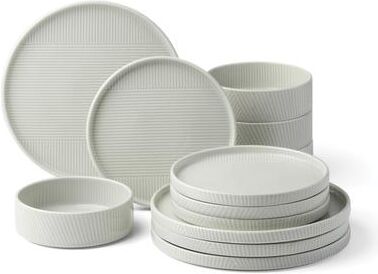
Products related to Modulus:
-
What are the symptoms of disorientation, dizziness, and nausea?
Symptoms of disorientation can include confusion, feeling lost, and difficulty concentrating. Dizziness may manifest as a spinning sensation, lightheadedness, or unsteadiness. Nausea often presents as a feeling of queasiness, an urge to vomit, or actual vomiting. These symptoms can be caused by various factors such as dehydration, low blood sugar, inner ear problems, or infections. **
-
What does the modulus of elasticity indicate?
The modulus of elasticity indicates the stiffness or rigidity of a material. It measures the material's ability to deform under stress and return to its original shape once the stress is removed. A higher modulus of elasticity means the material is more rigid and less deformable, while a lower modulus indicates greater flexibility and deformability. This property is important in engineering and materials science as it helps determine how a material will behave under different types of loading conditions. **
-
Does anyone have any good advice for seasickness, motion sickness, and nausea?
Some tips for managing seasickness, motion sickness, and nausea include focusing on a fixed point in the distance, avoiding heavy meals before traveling, staying hydrated, and getting fresh air. Ginger, either in the form of tea, candy, or supplements, is also known to help alleviate nausea. Additionally, over-the-counter medications like Dramamine or wristbands that apply pressure to acupressure points may provide relief. It's important to consult with a healthcare professional before trying any new remedies, especially if you have underlying health conditions or are taking other medications. **
-
What does the modulus of elasticity (E-Modul) indicate?
The modulus of elasticity, also known as the E-Modul, indicates the stiffness or rigidity of a material. It quantifies how much a material will deform under a given amount of stress. A higher modulus of elasticity means that a material is more rigid and will deform less under stress, while a lower modulus of elasticity indicates that a material is more flexible and will deform more under stress. The modulus of elasticity is an important property to consider when designing structures or selecting materials for specific applications. **
Similar search terms for Modulus
-
What is the difference between tensile strength and modulus of elasticity?
Tensile strength is the maximum amount of tensile stress that a material can withstand before breaking, while modulus of elasticity, also known as Young's modulus, is a measure of a material's stiffness or resistance to deformation when subjected to an external force. In simpler terms, tensile strength measures how much force a material can handle before breaking, while modulus of elasticity measures how much a material will deform under a given amount of force. In essence, tensile strength is a measure of a material's ability to withstand stretching or pulling forces, while modulus of elasticity is a measure of how much a material will stretch or deform under a given load. **
-
How do I determine the bending modulus required for my material?
To determine the bending modulus required for your material, you will need to consider the specific properties of the material, such as its elasticity and stiffness. The bending modulus, also known as the flexural modulus, is a measure of a material's resistance to bending. It can be calculated using the material's stress and strain data from a bending test, such as a three-point or four-point bend test. By analyzing the stress and strain relationship, you can determine the bending modulus required for your material to ensure it meets the necessary strength and flexibility requirements for its intended application. **
-
How is the modulus of elasticity related to the spring constant?
The modulus of elasticity is a material property that describes how much a material can deform under stress before it permanently deforms. The spring constant, on the other hand, is a property of a spring that describes how stiff it is. These two properties are related in that the modulus of elasticity of the material from which the spring is made will influence the spring constant. A material with a higher modulus of elasticity will result in a spring with a higher spring constant, meaning it will be stiffer and require more force to deform. **
-
Can you give me a physics problem involving the modulus of elasticity?
Sure! Here's a physics problem involving the modulus of elasticity: A steel wire with a length of 2 meters and a cross-sectional area of 0.01 square meters is stretched with a force of 5000 Newtons. If the modulus of elasticity for steel is 200 GPa, what is the resulting strain in the wire? To solve this problem, you can use the formula for strain: strain = (force * length) / (modulus of elasticity * cross-sectional area). Plugging in the given values, you can calculate the strain in the steel wire. **
* All prices are inclusive of VAT and, if applicable, plus shipping costs. The offer information is based on the details provided by the respective shop and is updated through automated processes. Real-time updates do not occur, so deviations can occur in individual cases. ** Note: Parts of this content were created by AI.