Buy seekrankheit.eu ?
We are moving the project
seekrankheit.eu .
Are you interested in purchasing the domain
seekrankheit.eu ?
domain@kv-gmbh.de · 0541-91531010
Buy seekrankheit.eu ?
What are trophic levels and trophic structures?
Trophic levels refer to the hierarchical levels in an ecosystem through which energy and nutrients flow. They represent the feeding positions of different organisms in a food chain or food web. Trophic structures, on the other hand, describe the organization of these trophic levels within an ecosystem. This includes the distribution of energy and nutrients among different organisms, as well as the interactions and relationships between them. Overall, trophic levels and trophic structures are important concepts for understanding the flow of energy and nutrients in ecosystems and the dynamics of food chains and food webs. **
Are trophic levels and trophic levels the same in biology?
No, trophic levels and trophic levels are not the same in biology. Trophic levels refer to the hierarchical levels in an ecosystem based on an organism's position in the food chain, such as producers, primary consumers, secondary consumers, etc. On the other hand, trophic cascades are the indirect effects that occur when a change in one trophic level impacts other trophic levels in the ecosystem. Both concepts are important in understanding the dynamics of energy flow and interactions within ecosystems. **


Similar search terms for Trophic
Top-Angebote
Products related to Trophic:
-
Motion Sensor WhiteProtection That Lasts: The included battery provides up to 2 years of power for round-the-clock security. Extensive Coverage: Detects motion within a 100° radius and up to 30 feet away—more than enough to secure an entire room of your home....29,99 $*Shipping: 0,00 $Secure redirect to the provider
-
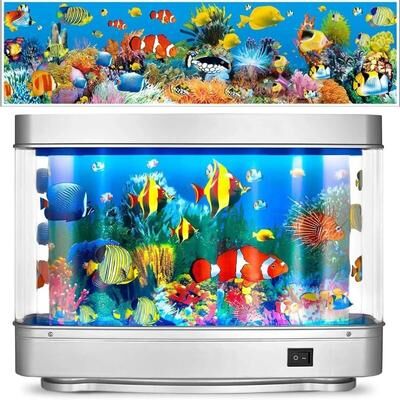
Uplift Essentials Virtual Motion Ocean Aquarium Lamp Virtual Motion Ocean Aquarium Lamp"Experience the tranquil beauty of the deep blue without the maintenance of a real tank with the Virtual Motion Ocean Aquarium Lamp. This creative decorative piece uses highdefinition ""moving picture"" technology to simulate a vibrant tropical reef,..."79,97 $*Shipping: 0,00 $Secure redirect to the provider
-
Uplifted Finds Interactive Motion Sense Shaky Sparrow Interactive Motion Sense Shaky SparrowTrigger your cat's natural hunting instincts with the Interactive MotionSense Shaky Sparrow. This highengagement toy utilizes a smartvibration trigger logicthe sparrow remains in a dormant state until touched, at which point it begins a series of...85,97 $*Shipping: 0,00 $Secure redirect to the provider
-
HomeDecorAndMore LLC Motion Sensor Cabinet Light Rechargeable Motion Sensor Cabinet Light RechargeableDo you find it hard to hold the torch to take something from your cupboard If that's the case, this Motion Sensor Cabinet Light Rechargeable will prove handy. This light features a motion sensor and automatically turns on from three meters from the...28,97 $*Shipping: 0,00 $Secure redirect to the provider



-
Are trophic levels and trophic levels the same thing in biology?
No, "trophic levels" and "trophic levels" are not the same thing in biology. "Trophic levels" refer to the hierarchical levels in an ecosystem based on an organism's position in the food chain, such as producers, primary consumers, secondary consumers, and so on. On the other hand, "trophic levels" appears to be a typographical error or a repetition of the term "trophic levels." In biology, it is important to use accurate and specific terminology to avoid confusion and miscommunication. **
-
Why do organisms become larger from trophic level to trophic level?
Organisms become larger from trophic level to trophic level due to the efficiency of energy transfer in ecosystems. As energy is transferred from one trophic level to the next, there is a loss of energy in the form of heat and metabolic processes. Larger organisms are able to consume more energy-rich food sources and have a more efficient metabolism, allowing them to grow in size as they move up the food chain. Additionally, larger organisms are better equipped to capture and consume prey, giving them a competitive advantage in obtaining energy and resources. **
-
Why do organisms get larger from trophic level to trophic level?
Organisms tend to get larger from one trophic level to the next because as energy is transferred up the food chain, there is a loss of energy at each level. This means that organisms at higher trophic levels need to consume larger quantities of organisms from lower trophic levels to obtain enough energy to sustain themselves. Additionally, larger organisms are more efficient at capturing and consuming prey, allowing them to thrive at higher trophic levels. Finally, larger organisms have a lower surface area to volume ratio, which helps them retain heat and energy more effectively. **
-
Why does the biomass decrease from trophic level to trophic level?
Biomass decreases from trophic level to trophic level because energy is lost as it moves through the food chain. Organisms at each trophic level use some of the energy they consume for their own metabolic processes, such as respiration and movement, and the rest is lost as heat. This means that there is less energy available to be passed on to the next trophic level, resulting in a decrease in biomass. Additionally, not all of the energy from one trophic level is consumed by the next level, as some is lost through waste and uneaten parts of organisms. **
What are the symptoms of disorientation, dizziness, and nausea?
Symptoms of disorientation can include confusion, feeling lost, and difficulty concentrating. Dizziness may manifest as a spinning sensation, lightheadedness, or unsteadiness. Nausea often presents as a feeling of queasiness, an urge to vomit, or actual vomiting. These symptoms can be caused by various factors such as dehydration, low blood sugar, inner ear problems, or infections. **
What are trophic levels in biology?
Trophic levels in biology refer to the hierarchical levels in an ecosystem where organisms are grouped based on their feeding relationships. The primary producers, such as plants, are at the base of the trophic levels as they convert sunlight into energy through photosynthesis. Herbivores that feed on plants are at the next level, followed by carnivores that eat herbivores. Each trophic level represents a transfer of energy and nutrients through the ecosystem, with energy decreasing as it moves up the levels. **
Top-Angebote
Products related to Trophic:
-
Armani Vertigo Lift mascara for maximum volume shade Black 4 mlArmani Vertigo Lift, 4 ml, Mascaras for Women, Do you want to enhance your eyes and bring out their natural beauty? The Armani Vertigo Lift mascara will help you. It coats all of your lashes with an even layer of intense, rich colour from root to tip, making them appear longer and amazingly voluminous. In the wink of an eye, your eyelashes will look thicker and fuller, giving your look more depth and drama. Characteristics: thickens eyelashes significantly extends the length of eyelashes does not stick lashes together intense colour curls lashes brilliantly highlights the shape of the eyes can be layered for a more intense look How to use: Apply the mascara to the eyelashes with gentle strokes from the root to the tip. For greater emphasis apply several coats.30,50 £*Shipping: 3,99 £Secure redirect to the provider
-
Motion Sensor WhiteProtection That Lasts: The included battery provides up to 2 years of power for round-the-clock security. Extensive Coverage: Detects motion within a 100° radius and up to 30 feet away—more than enough to secure an entire room of your home....29,99 $*Shipping: 0,00 $Secure redirect to the provider
-
Uplift Essentials Virtual Motion Ocean Aquarium Lamp Virtual Motion Ocean Aquarium Lamp"Experience the tranquil beauty of the deep blue without the maintenance of a real tank with the Virtual Motion Ocean Aquarium Lamp. This creative decorative piece uses highdefinition ""moving picture"" technology to simulate a vibrant tropical reef,..."79,97 $*Shipping: 0,00 $Secure redirect to the provider
-
What are trophic levels and trophic structures?
Trophic levels refer to the hierarchical levels in an ecosystem through which energy and nutrients flow. They represent the feeding positions of different organisms in a food chain or food web. Trophic structures, on the other hand, describe the organization of these trophic levels within an ecosystem. This includes the distribution of energy and nutrients among different organisms, as well as the interactions and relationships between them. Overall, trophic levels and trophic structures are important concepts for understanding the flow of energy and nutrients in ecosystems and the dynamics of food chains and food webs. **
-
Are trophic levels and trophic levels the same in biology?
No, trophic levels and trophic levels are not the same in biology. Trophic levels refer to the hierarchical levels in an ecosystem based on an organism's position in the food chain, such as producers, primary consumers, secondary consumers, etc. On the other hand, trophic cascades are the indirect effects that occur when a change in one trophic level impacts other trophic levels in the ecosystem. Both concepts are important in understanding the dynamics of energy flow and interactions within ecosystems. **
-
Are trophic levels and trophic levels the same thing in biology?
No, "trophic levels" and "trophic levels" are not the same thing in biology. "Trophic levels" refer to the hierarchical levels in an ecosystem based on an organism's position in the food chain, such as producers, primary consumers, secondary consumers, and so on. On the other hand, "trophic levels" appears to be a typographical error or a repetition of the term "trophic levels." In biology, it is important to use accurate and specific terminology to avoid confusion and miscommunication. **
-
Why do organisms become larger from trophic level to trophic level?
Organisms become larger from trophic level to trophic level due to the efficiency of energy transfer in ecosystems. As energy is transferred from one trophic level to the next, there is a loss of energy in the form of heat and metabolic processes. Larger organisms are able to consume more energy-rich food sources and have a more efficient metabolism, allowing them to grow in size as they move up the food chain. Additionally, larger organisms are better equipped to capture and consume prey, giving them a competitive advantage in obtaining energy and resources. **
Similar search terms for Trophic
-
Uplifted Finds Interactive Motion Sense Shaky Sparrow Interactive Motion Sense Shaky SparrowTrigger your cat's natural hunting instincts with the Interactive MotionSense Shaky Sparrow. This highengagement toy utilizes a smartvibration trigger logicthe sparrow remains in a dormant state until touched, at which point it begins a series of...85,97 $*Shipping: 0,00 $Secure redirect to the provider
-
HomeDecorAndMore LLC Motion Sensor Cabinet Light Rechargeable Motion Sensor Cabinet Light RechargeableDo you find it hard to hold the torch to take something from your cupboard If that's the case, this Motion Sensor Cabinet Light Rechargeable will prove handy. This light features a motion sensor and automatically turns on from three meters from the...28,97 $*Shipping: 0,00 $Secure redirect to the provider
-
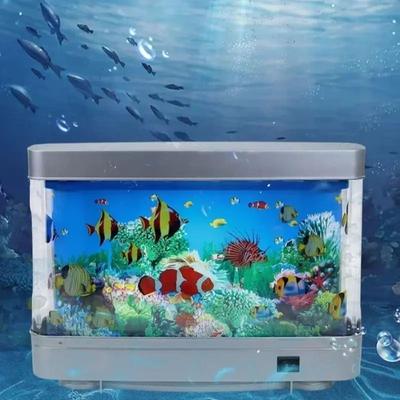
Uplift Essentials Serene Motion Virtual Aquarium Lamp Serene Motion Virtual Aquarium Lamp"Bring the soothing magic of the underwater world to your tabletop with the Serene Motion Virtual Aquarium Lamp. This highdefinition desktop aquarium decorative light uses advanced ""movingpicture"" technology to create a mesmerizing, continuous swim..."82,97 $*Shipping: 0,00 $Secure redirect to the provider
-
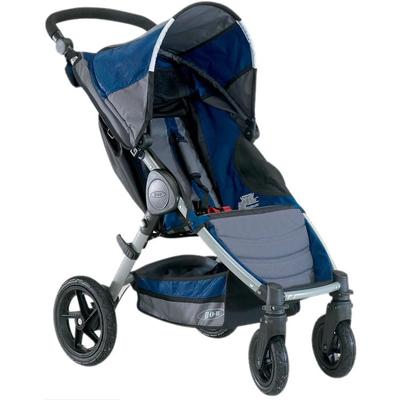
BOB Motion Stroller - NavyOne-Hand, Quick-Fold; Lightweight & compact aluminum frame; Four pneumatic tires mounted on high impact polymer composite wheels with tubes provide a smooth, comfortable ride; With the included CLICK & GO adapters, the Motion instantly becomes a...280,00 $*Shipping: 0,00 $Secure redirect to the provider
-
Why do organisms get larger from trophic level to trophic level?
Organisms tend to get larger from one trophic level to the next because as energy is transferred up the food chain, there is a loss of energy at each level. This means that organisms at higher trophic levels need to consume larger quantities of organisms from lower trophic levels to obtain enough energy to sustain themselves. Additionally, larger organisms are more efficient at capturing and consuming prey, allowing them to thrive at higher trophic levels. Finally, larger organisms have a lower surface area to volume ratio, which helps them retain heat and energy more effectively. **
-
Why does the biomass decrease from trophic level to trophic level?
Biomass decreases from trophic level to trophic level because energy is lost as it moves through the food chain. Organisms at each trophic level use some of the energy they consume for their own metabolic processes, such as respiration and movement, and the rest is lost as heat. This means that there is less energy available to be passed on to the next trophic level, resulting in a decrease in biomass. Additionally, not all of the energy from one trophic level is consumed by the next level, as some is lost through waste and uneaten parts of organisms. **
-
What are the symptoms of disorientation, dizziness, and nausea?
Symptoms of disorientation can include confusion, feeling lost, and difficulty concentrating. Dizziness may manifest as a spinning sensation, lightheadedness, or unsteadiness. Nausea often presents as a feeling of queasiness, an urge to vomit, or actual vomiting. These symptoms can be caused by various factors such as dehydration, low blood sugar, inner ear problems, or infections. **
-
What are trophic levels in biology?
Trophic levels in biology refer to the hierarchical levels in an ecosystem where organisms are grouped based on their feeding relationships. The primary producers, such as plants, are at the base of the trophic levels as they convert sunlight into energy through photosynthesis. Herbivores that feed on plants are at the next level, followed by carnivores that eat herbivores. Each trophic level represents a transfer of energy and nutrients through the ecosystem, with energy decreasing as it moves up the levels. **
* All prices are inclusive of VAT and, if applicable, plus shipping costs. The offer information is based on the details provided by the respective shop and is updated through automated processes. Real-time updates do not occur, so deviations can occur in individual cases. ** Note: Parts of this content were created by AI.